Let's Talk HVAC

Tips, guides, and honest insight from the Emerald team.

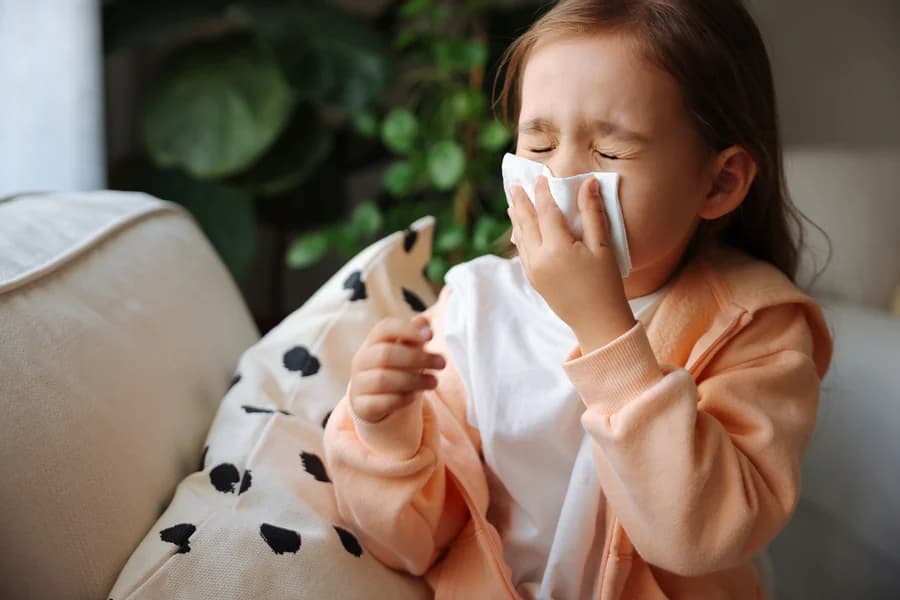
Getting Rid Of Asthma Triggers

Here are some common triggers: Secondhand smoke. Asthma can be triggered by the smoke from the burning end of a cigarette, pipe, or cigar and the smoke breathed out by a smoker. Choose not to smoke in your home or car and do not allow others to do so either. Dust mites. Dust mites are too … [Read More]

Residential Air-Cleaning Devices

What Pollutants are of Concern in Indoor Air? For the purposes of discussion, we will divide the pollutants into three groups: particles, gaseous pollutants, and radon and its progeny. Particles are very small solid or liquid substances that are light enough to float suspended in air (e.g., mists, dust, or pollen). They are composed of … [Read More]

A Guide to Indoor Air Quality

Why a Safety Guide on Indoor Air? While pollutant levels from individual sources may not pose a significant health risk by themselves, most homes have more than one source that contributes to indoor air pollution. There can be a serious risk from the cumulative effects of these sources. Fortunately, there are steps that most people … [Read More]

Heating Systems

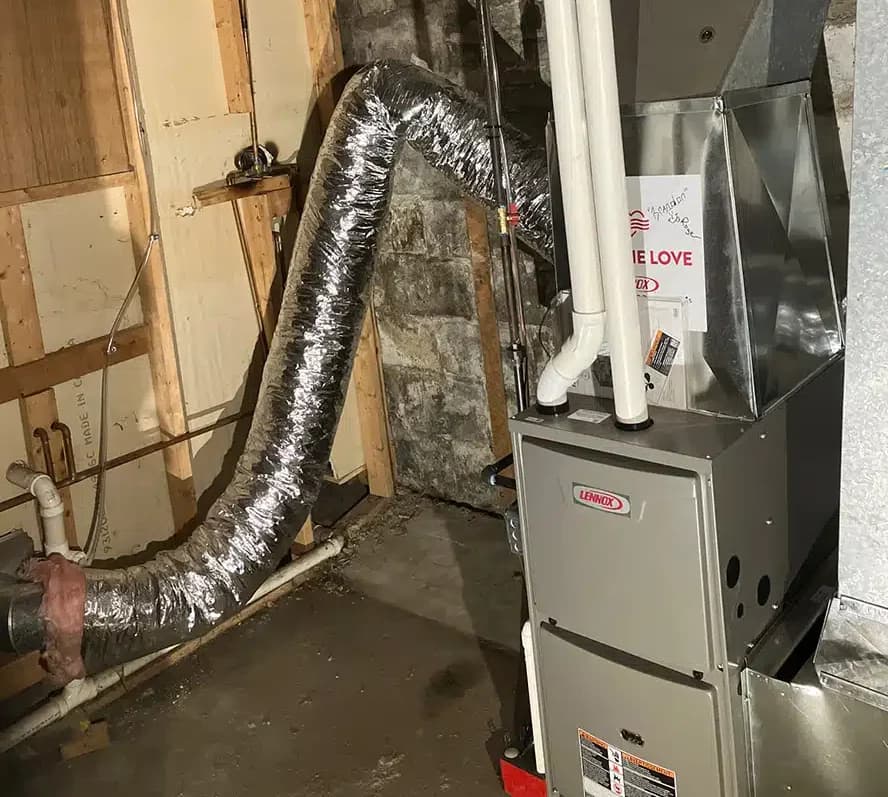
Furnaces and Boilers Most U.S. homes are heated with either furnaces or boilers. Furnaces heat air and distribute the heated air through the house using ducts. Boilers heat water and provide either hot water or steam for heating. Steam is distributed via pipes to steam radiators, and hot water can be distributed via baseboard radiators … [Read More]

Efficient Air Conditioner Tips

Evaporative Coolers Evaporative coolers may be installed as an alternative to air conditioning, particularly in climates with very dry air. Evaporative coolers provide mechanical cooling to a building by either direct contact of air with water (direct evaporative cooler) or a combination of a first-stage heat exchanger to pre-cool the air and a second stage … [Read More]

How BTUs and EERs Work

Explaining BTUs and EERs Most air conditioners have their capacity rated in BTUs, or British Thermal Units. A BTU is, generally, the amount of heat required to raise the temperature of one pound of water one degree F. Specifically, a BTU is 1,055 joules, but the first definition is easier to understand in real-life terms. … [Read More]

Rather Just Talk to Someone?

If you'd rather have one of our technicians take a look than troubleshoot it yourself, we're easy to reach.