Ductless Heating in Depew, NY


Ductless heating warms your home one room at a time, using a compact outdoor unit and wall-mounted indoor units instead of ductwork. Emerald Heating & Cooling has installed, repaired and maintained mini split heating in Depew and across Western New York since 2000. It’s often the simplest fix for a room your furnace or boiler can’t keep warm, and it fits right alongside our other heating services.
Book Online
Finance Repairs over $500!
(Restrictions may apply)
Enjoy the comfort you need today while paying over time.
Call Now (716) 681-0113Restrictions apply. Call for more details.

Stay Lucky Year-Round
Protect your home comfort system with the Lucky Duck Club. Get annual tune-ups, priority scheduling, and 15% off repairs, all designed to help catch small issues before they turn into expensive breakdowns. One simple membership helps keep your system running strong all year long.

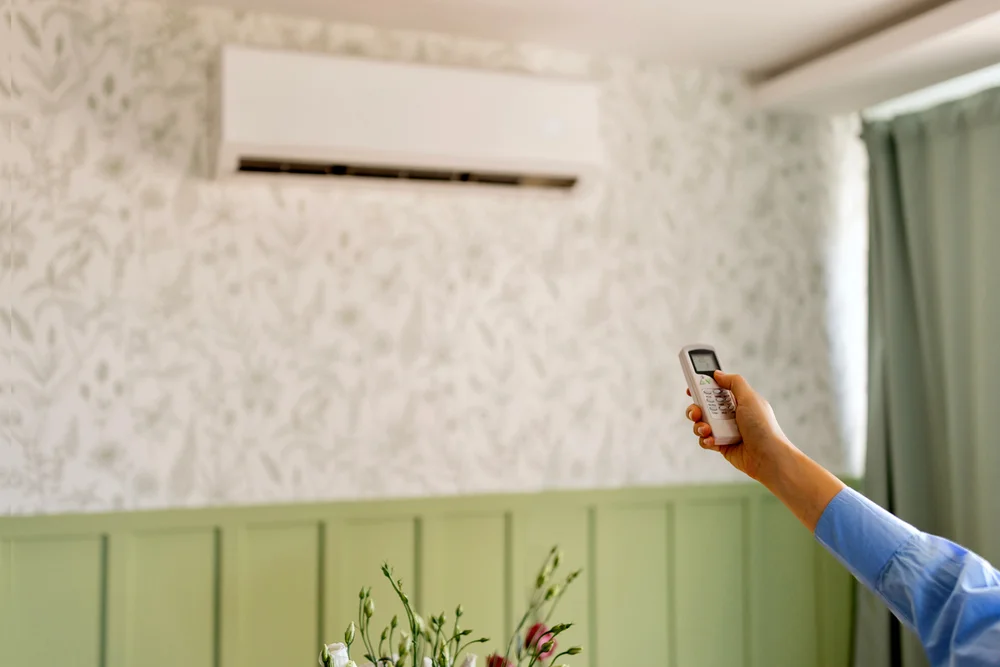
How Ductless Heating Works
A ductless heating system has five main parts, and each one has to be sized and installed correctly for the system to keep up through a Western New York winter.
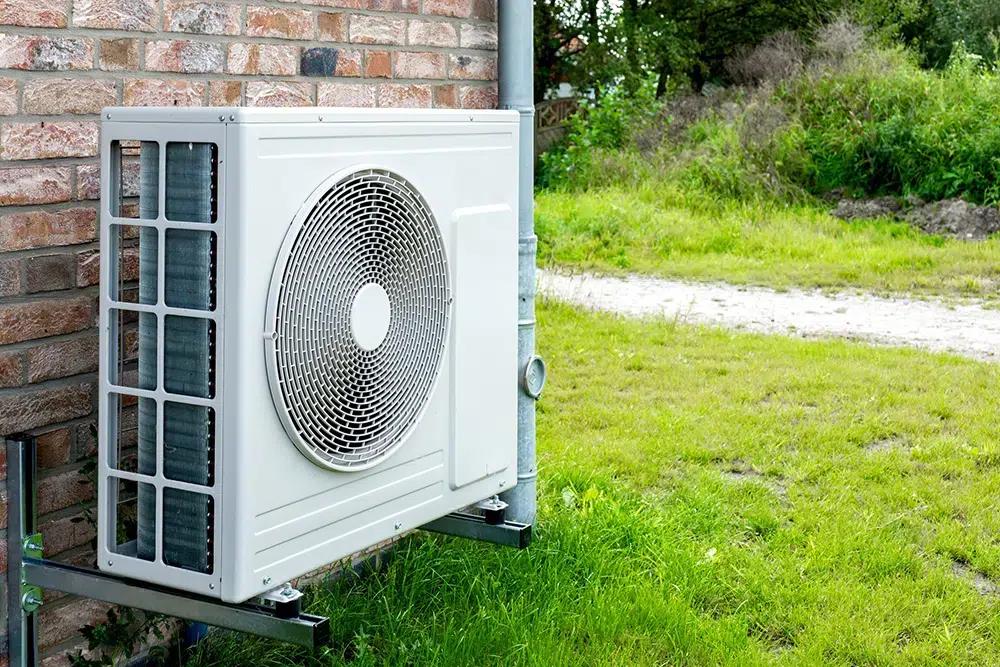
- Outdoor unit: Houses the compressor and pulls heat from the outside air. Cold-climate models keep producing heat well below freezing, though output drops as temperatures fall.
- Indoor air handlers: Wall-mounted units that release that heat into the room, each with its own fan and temperature setting.
- Refrigerant lines: A small line set runs through the wall to carry refrigerant between the outdoor and indoor units.
- Electrical: The outdoor unit needs its own dedicated circuit and a disconnect.
- Remote or control: Sets the temperature and mode for each room. Some systems also offer a wall-mounted control or a phone app.
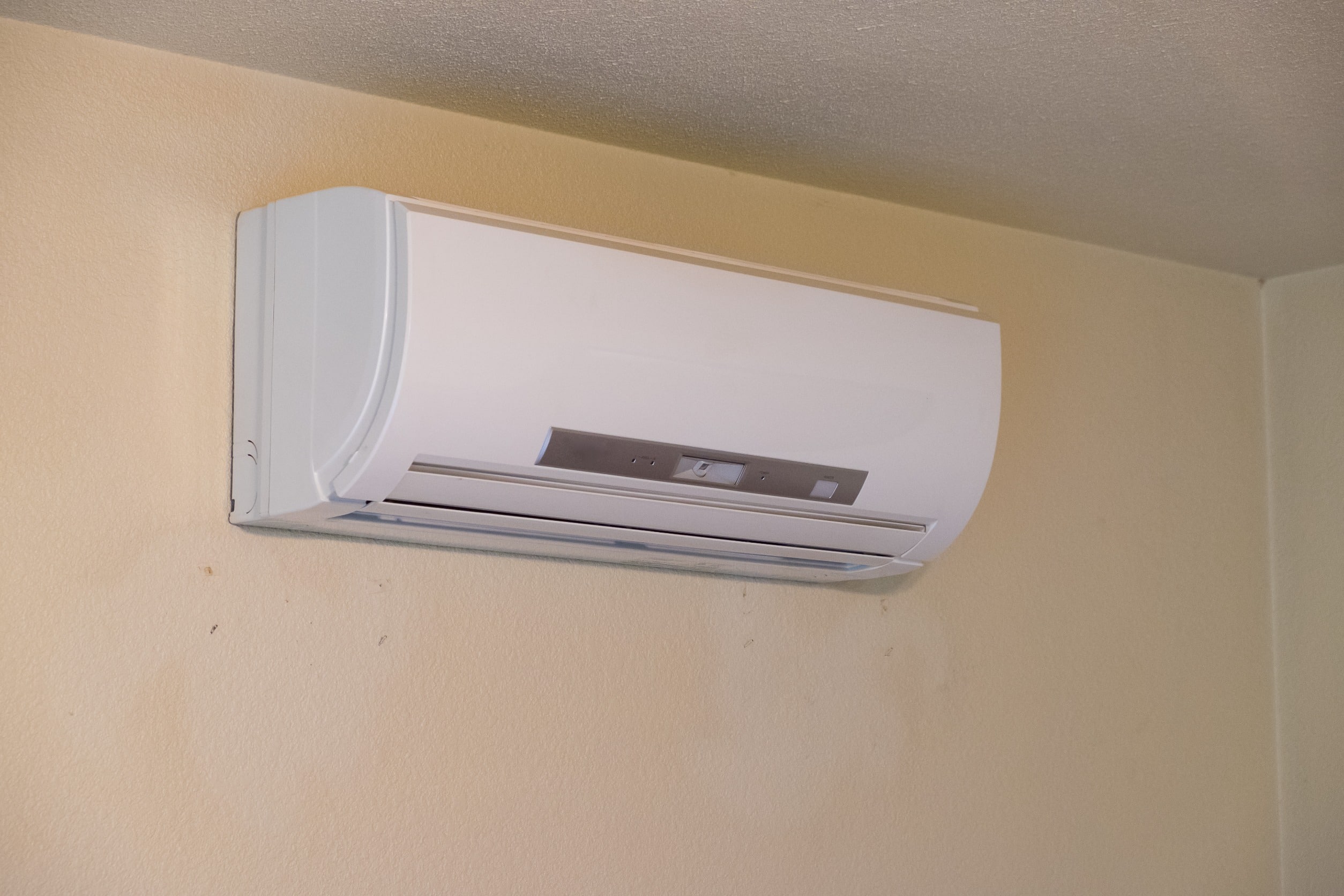
What to Expect From a Ductless Heating Installation
A single-zone install is often finished in one day. Multi-zone systems take longer depending on how many rooms you’re heating. Here’s what’s included:
- Load calculation first. We look at the room size, insulation, windows and exposure to figure out how much heat the space needs on a cold night before recommending equipment.
- Indoor unit placement. Each air handler goes where it can spread heat across the room without blowing straight at a bed or couch.
- Outdoor unit location. We set the outdoor unit on a stand or wall bracket above typical snow depth, away from roof drip lines, with room for airflow.
- Line set, electrical and condensate routing. Lines run as short and clean as the house allows, the electrical gets its own circuit, and defrost water drains where it won’t refreeze on a walkway.
- Commissioning and performance test. We check the refrigerant charge, pressures and heat output at each indoor unit before calling the job done.
- Walkthrough of controls. Before we leave, we show you how to set each zone, use heat mode and schedules, and clean the filters.
Ductless Heating FAQs
Yes, in many homes. A multi-zone system with cold-climate equipment and enough indoor units can heat a whole house, as long as the home is reasonably well insulated and the system is sized with a proper load calculation. Many Western New York homeowners still keep a furnace or boiler as backup for the coldest nights.
It’s one of the most practical fixes for them. A single indoor unit gives a cold addition, sunroom or bonus room its own heat source and thermostat, so it stops depending on a duct run or radiator that was never enough.
Cold-climate models work well here when they’re sized and installed for local conditions. Every heat pump loses some capacity as temperatures drop, so during long subzero stretches a backup heat source may need to help. Raising the outdoor unit above the snow line and keeping it clear makes a big difference.
A short burst of cool air during a defrost cycle is normal. If it continues, common causes are clogged filters, low refrigerant from a leak, the wrong mode setting or a problem with the outdoor unit. Clean the filters and confirm the remote is set to heat, then call for service if it doesn’t improve.
Yes, for most of the heating season. Because it moves heat instead of producing it, a ductless system uses much less electricity than baseboard or space heaters for the same warmth, and it avoids duct losses entirely. Efficiency drops as outdoor temperatures fall, so sizing and cold-climate equipment matter.
Ductless heating is what the system does, and a ductless heat pump is the equipment that does it. The same heat pump also cools in summer. Mini split heating refers to the same setup.
Sometimes. In a tight, well-insulated home with cold-climate equipment, a multi-zone system can serve as the primary heat. In older or draftier homes, it usually works best alongside the existing furnace or boiler, which takes over during the coldest stretches.
It depends on how many rooms you’re heating, the equipment you choose and how the lines and electrical need to be routed. A single-zone install costs much less than a multi-zone system with several indoor units. We give you a flat-rate price in writing after an in-home assessment, and financing is available.
Plan on professional maintenance at least once a year, ideally in early fall. Between visits, clean the indoor filters every month or so while the system is running a lot, and keep the outdoor unit clear of snow and leaves.
Brush snow off the top and sides by hand or with a soft broom after each storm, and keep a clear space around the unit for airflow. Don’t chip ice off the coil, since that can damage the fins. If the unit sits low or under a roof edge, a taller stand or a small top cover can help.
Benefits of Ductless Heating
Compared with a furnace or boiler, ductless heating swaps one central heat source for several smaller ones. That’s a real advantage in a house with uneven heat or a room that was added later.
- Room-by-room control. Heat the rooms you use and keep bedrooms cooler at night, without changing the temperature everywhere else.
- No duct losses. Ducts running through attics, crawlspaces and garages lose heat before it reaches the room. Ductless units deliver heat right where you are.
- Flexible installation. A small hole in the wall is usually all it takes, so there’s no opening up ceilings or closets.
- Efficient supplemental heat. Because it moves heat instead of making it, a ductless system uses far less electricity than baseboard or space heaters for the same warmth through most of the heating season.
The tradeoff is that you’ll see an indoor unit on the wall, and each room you want heated needs its own head. For a single cold room or a few problem areas, that’s rarely a concern.
Our Ductless Heating Service Process
- Schedule a visit. Book online or give us a call, and we’ll set up a time that works for you.
- In-home assessment and load calculation. A technician looks at the rooms you want to heat, checks insulation and windows, and runs a load calculation.
- Written estimate. You get a flat-rate price in writing before any work starts, along with equipment options and financing if you want it.
- Installation. Our certified technicians mount the indoor and outdoor units, run the line set and electrical, and seal every wall penetration.
- Testing and walkthrough. We test heat output at each indoor unit, then show you how to use the controls and clean the filters.
- Follow-up and maintenance plan. We check in after the install and set you up with a yearly tune-up so the system is ready every fall.

Comfy for Life
Comfy for Life keeps your new heating and cooling system protected with covered repairs, annual tune-ups, free filters, and no overtime service fees for one simple monthly payment.
Ductless Heating in a Western New York Winter
Depew sits just east of Buffalo, close enough to Lake Erie to catch lake-effect snow bands that can bury a yard in a day. Add in cold snaps that keep temperatures well below freezing for a week or more, and you have conditions that test any heating system. For ductless heating, that means three things matter more here than in milder places: choosing cold-climate equipment, raising the outdoor unit above drifts, and making sure defrost water drains away instead of freezing under the unit.
Common Ductless Heating Problems in Depew
Most ductless heating problems we see in Depew show up in one of these ways:
- Blowing cold air: A brief burst during a defrost cycle is normal. If it keeps going, check for dirty filters, a refrigerant leak or an outdoor unit problem.
- Ice, snow or debris on the outdoor unit: Light frost that clears on its own is fine. Solid ice, drifts or packed leaves block airflow and point to a defrost or drainage issue.
- Not keeping up during cold snaps: If a room only falls behind on the coldest nights, the unit may be undersized or not cold-climate rated. If it lags in mild weather too, it needs repair.
- Short cycling: Turning on and off every few minutes usually means an oversized unit or a sensor or refrigerant issue, and it wears out the compressor.
- Water leaking from the indoor unit: A clogged drain line, cracked drain pan or unit that isn’t level can drip any time of year.
- Remote or control problems: Dead batteries, a lost pairing or the wrong mode cause plenty of no-heat calls, so make sure the remote is set to heat first.
How to Choose the Right Ductless Heating Setup
Single-zone or multi-zone: A single-zone system pairs one outdoor unit with one indoor unit, which is ideal for one cold room. A multi-zone system runs two or more indoor units off a single outdoor unit, each with its own temperature setting.
Supplemental or primary heat: Most homes use ductless heating to fill gaps the furnace or boiler leaves. Using it as primary heat takes careful sizing, good insulation and a backup plan for extreme cold.
Cold-climate ratings: Standard models can lose a lot of heating capacity once it drops below freezing. Cold-climate models are built to keep heating at much lower outdoor temperatures, which is why we recommend them for nearly every home in Western New York.
When ducted makes more sense: If your home already has good ductwork, a ducted heat pump or a new furnace may heat the whole house more evenly and at a lower cost.
Repairing vs. Replacing Your Ductless Heating System
A repair is usually the right call when the system is fairly young and the problem is isolated. Replacement starts to make more sense when a few of these line up:
- Unit age. Ductless heat pumps typically last 12 to 15 years with regular maintenance. Past that, major repairs are harder to justify.
- Repair frequency. If you’ve needed service more than once in the last couple of winters, the next breakdown is likely closer than you’d like.
- Refrigerant type. Older systems that run on R-22 are expensive to recharge because that refrigerant is no longer produced.
- Mismatched or failing indoor units. In a multi-zone system, one failing indoor unit or discontinued parts can limit what we’re able to fix.
- Poor cold-weather performance. A system that was never rated for cold climates won’t get better with repairs, and a newer cold-climate model can heat noticeably better in January.
We’ll give you a straight assessment of both options, with the repair cost and a replacement price side by side.
Ductless Heating Repair and Maintenance
Ductless heating should get professional maintenance at least once a year, ideally in early fall before you need it every day. A heating-season tune-up covers:
- Cleaning the indoor filters, coil and blower wheel
- Clearing and flushing the condensate drain
- Inspecting the outdoor coil, base pan and defrost operation
- Checking refrigerant pressures and electrical connections
- Testing heat output at every indoor unit
- Confirming the outdoor unit’s stand and clearance are ready for snow
Members of the Lucky Duck Club get their annual tune-up, priority scheduling and 15% off repairs, which helps when a unit acts up in the middle of January.
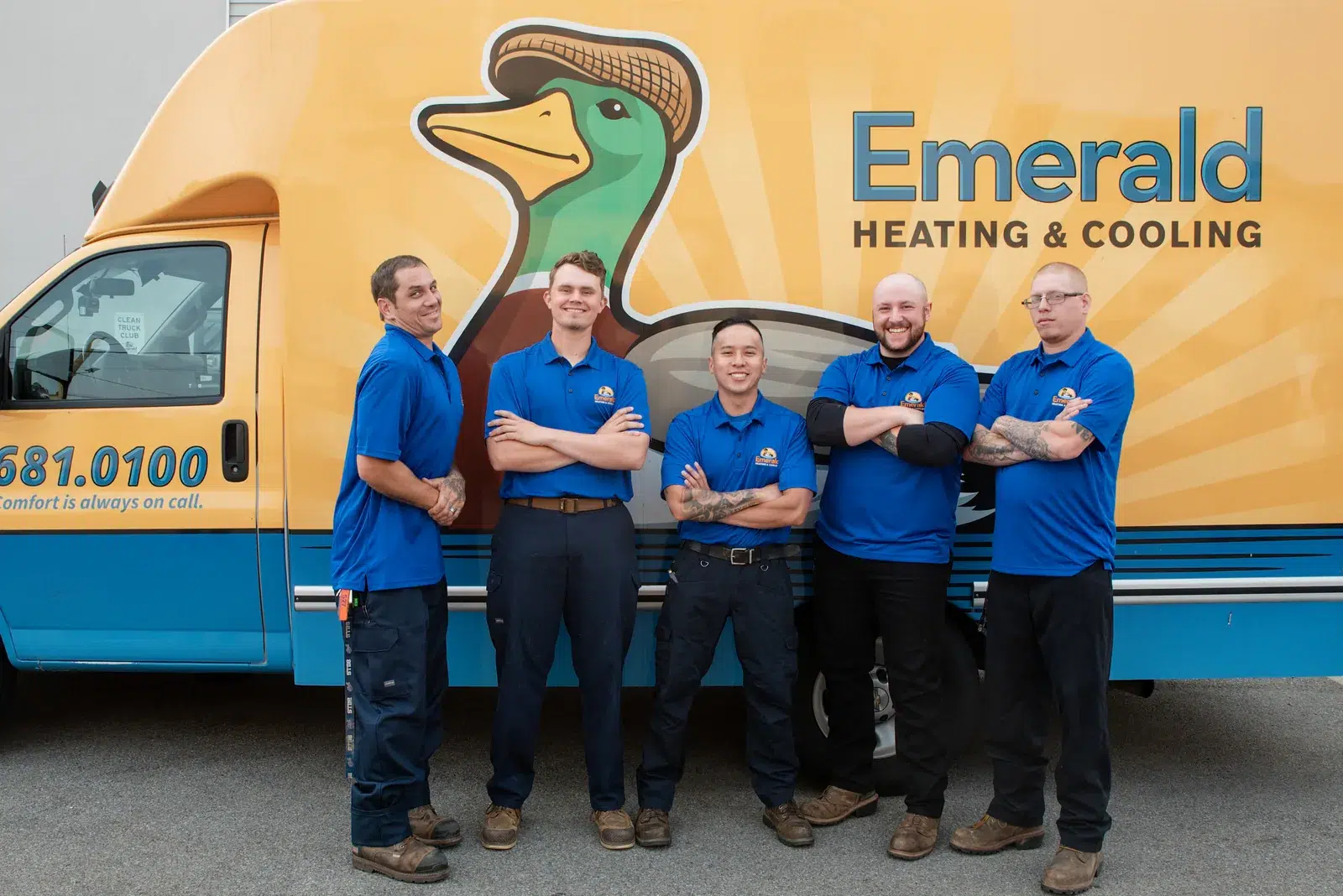
Why Choose Emerald Heating & Cooling for Ductless Heating in Depew
Emerald Heating & Cooling has been installing and repairing ductless heating in Depew since 2000, all from one family-owned office at 5003 Broadway. Our certified technicians install and service Amana and Lennox equipment, and we’re listed in The Ductless Directory for ductless work across Western New York. A lot of our ductless heating calls come from additions, finished attics and older homes where ductwork was never an option, so we’re used to finding clean routes for line sets in houses that weren’t built for them. Every installation is backed by our Performance Guarantee and No Lemon Guarantee.
Call Now (716) 681-0113Book Ductless Heating Service in Depew
If you’ve got a cold addition, a space heater you’d like to retire, or a mini split that can’t keep up anymore, we’ll come out, take a look and give you a clear answer in writing.
Book online and pick a time that works for you!
Call Now (716) 681-0113

Words We Didn’t Write Ourselves


See why people choose us. Book your appointment today.
Local Service Across Western New York
 All Service Areas